Propolis
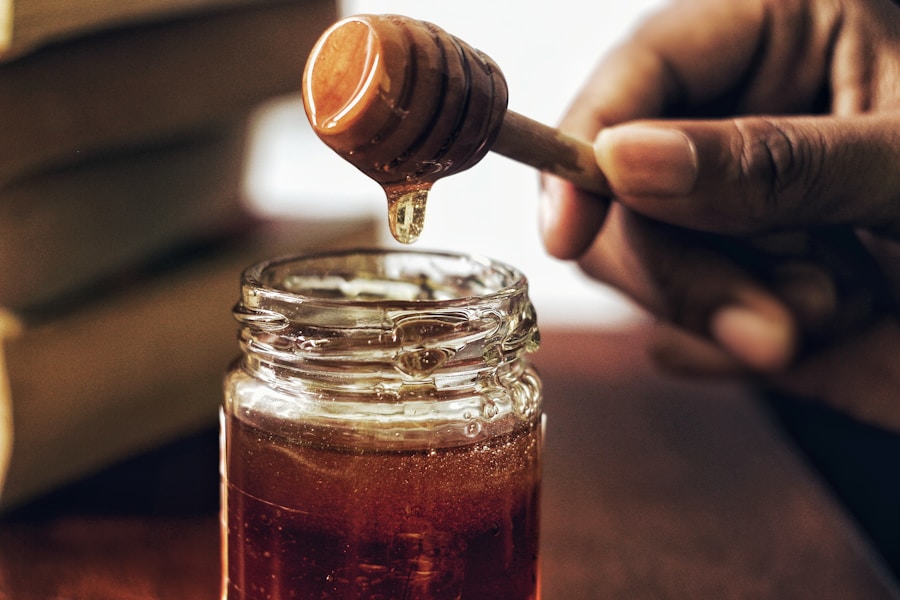
Propolis is a resinous substance that bees collect from plant buds, sap flows and tree bark and use to seal cracks, sterilise surfaces and protect the hive. It has been used in folk medicine for centuries and has become a popular ingredient in Korean skincare, prized for its skin-conditioning and soothing properties.
Bee allergy warning: If you have any known allergy to bees, bee stings, honey, beeswax or royal jelly, avoid propolis entirely. It may cause allergic reactions or contact dermatitis in people with bee-related sensitivities.
General Information Only. This page provides educational skincare information and is not medical advice. If you have persistent acne, eczema, rosacea, allergies, skin irritation, pigmentation changes or any medical skin condition, please consult a qualified dermatologist or healthcare professional before changing your skincare routine. Individual results vary. Always patch test new products.
What propolis is
Bees create propolis by mixing plant-derived resins with beeswax, enzymes and other compounds. The composition varies by region and season depending on which plants are available to the bees — Brazilian, European and Korean propolis can have different phytochemical profiles. This variability means that the specific compounds in any given propolis ingredient can differ between products.
In skincare, propolis extract is used rather than raw propolis — typically as a water or alcohol-based extract that can be incorporated into toners, ampoules, serums and sheet masks. Korean skincare has championed propolis particularly in toners and ampoules, where its nourishing, honey-like quality is valued.
Active compounds and skin benefits
Flavonoids
Polyphenolic antioxidants — among the primary active compounds in propolis. Contribute to its antioxidant and skin-conditioning properties.
Aromatic acids
Including caffeic acid phenethyl ester (CAPE) — studied for their potential calming properties in skin.
Skin conditioning
Propolis extract is a recognised skin conditioning ingredient, helping support skin feel and comfort.
Soothing
Used in formulations targeting blemish-prone and sensitised skin for its reputation for calming irritated skin.
Best for
Propolis is most suited to normal, combination and blemish-prone skin types without bee allergies. It works well in the essence and ampoule steps of a Korean skincare routine. It pairs naturally with niacinamide, hyaluronic acid and centella for a calming, skin-conditioning routine approach. Those with oily or acne-prone skin should choose propolis formulations with a lightweight, non-occlusive texture.