Korean Sheet Masks
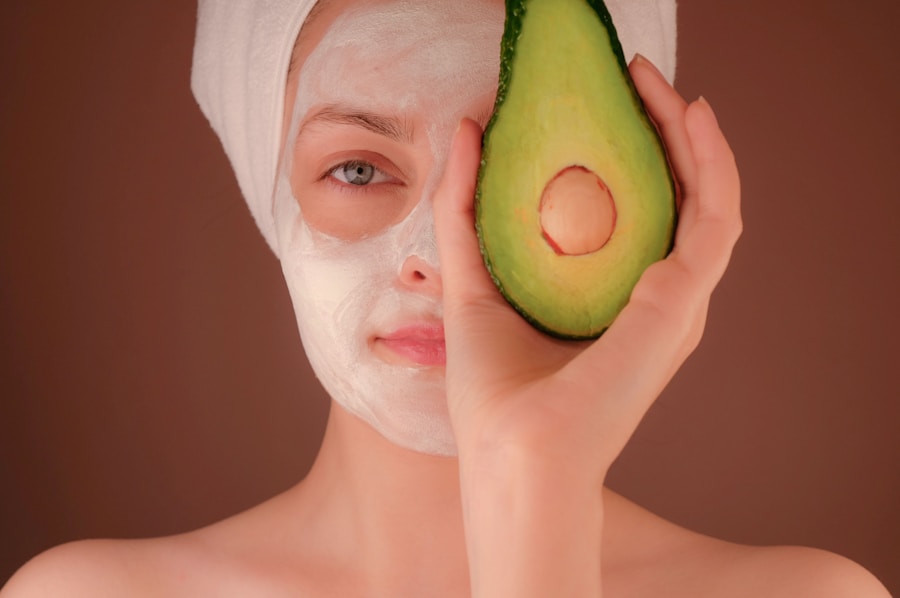
Sheet masks are one of the most recognisable elements of Korean skincare globally — the soaked fabric sheet applied to the face for 15-20 minutes. They have become a skincare ritual that combines targeted treatment with a moment of relaxation, and they are available in an enormous variety of ingredient combinations.
This guide explains how sheet masks actually work, the different types available, how to use them correctly, and an important note on sustainability.
General Information Only. This page provides educational skincare information and is not medical advice. If you have persistent acne, eczema, rosacea, allergies, skin irritation, pigmentation changes or any medical skin condition, please consult a qualified dermatologist or healthcare professional before changing your skincare routine. Individual results vary. Always patch test new products.
How sheet masks work
A sheet mask consists of two elements: a fabric sheet cut in the shape of a face, and a serum or essence in which the sheet is saturated. When applied, the sheet creates a physical barrier over the skin surface that prevents the serum from evaporating — allowing it to stay in contact with the skin for longer than a topically applied serum would.
The occlusion also creates a slightly warmer microenvironment on the skin surface, which may support absorption. The benefit of any sheet mask ultimately depends on the quality and concentration of the ingredients in the serum — the sheet is a delivery vehicle, not an active ingredient itself.
Types of Korean sheet masks
Hydrating masks
The most common type — saturated with hyaluronic acid, glycerin, centella or other humectant-rich serums. Designed to deliver an intensive moisture boost.
Brightening masks
Contain niacinamide, vitamin C, rice extract or alpha-arbutin for targeting uneven tone or dullness in a concentrated treatment session.
Calming masks
Centella asiatica, heartleaf, aloe or green tea formulas for reactive or redness-prone skin — used after irritation, sun exposure or as regular sensitive-skin care.
Firming masks
Peptide or collagen-infused (collagen as a hydrating ingredient, not structural) masks designed for mature skin or skin that needs a temporary plumping effect.
Bio-cellulose masks
Made from bacterial cellulose — a finer, more adherent material than standard sheet masks. Fits the face more closely, allowing better serum contact with the skin.
How to use a sheet mask correctly
Cleanse and tone as normal — the mask goes on clean, toned skin.
Unfold the mask carefully and apply from the nose outward, smoothing to remove air bubbles.
Leave on for the instructed time — typically 15-20 minutes. Do not leave on for longer; when the mask dries, it can draw moisture back from the skin.
Remove and gently massage any remaining serum into the skin rather than rinsing.
Apply moisturiser immediately after to seal in the hydration from the mask serum.
Use remaining serum from the packet on the neck, chest and hands.
Common mistakes
Leaving the mask on too long — when it starts to dry, it can draw moisture back from the skin surface.
Not applying moisturiser afterwards — the mask hydration evaporates if not sealed in.
Using a sheet mask on an uncleansed face — the serum cannot penetrate through layers of SPF or makeup.
Using a mask as a substitute for a consistent routine — sheet masks are a complement, not a replacement.
Wasting the remaining serum in the packet — it contains the same actives as what is on the sheet.
A note on sustainability
Sheet masks are one of the more wasteful products in skincare — single-use and often made from synthetic fibres that are not readily biodegradable. If you use sheet masks regularly, look for bio-cellulose, cotton or bamboo sheet options. You might also consider that a well-formulated serum applied consistently to your daily routine delivers similar active ingredients with significantly less waste.