Korean Serums: What They Are and How to Choose
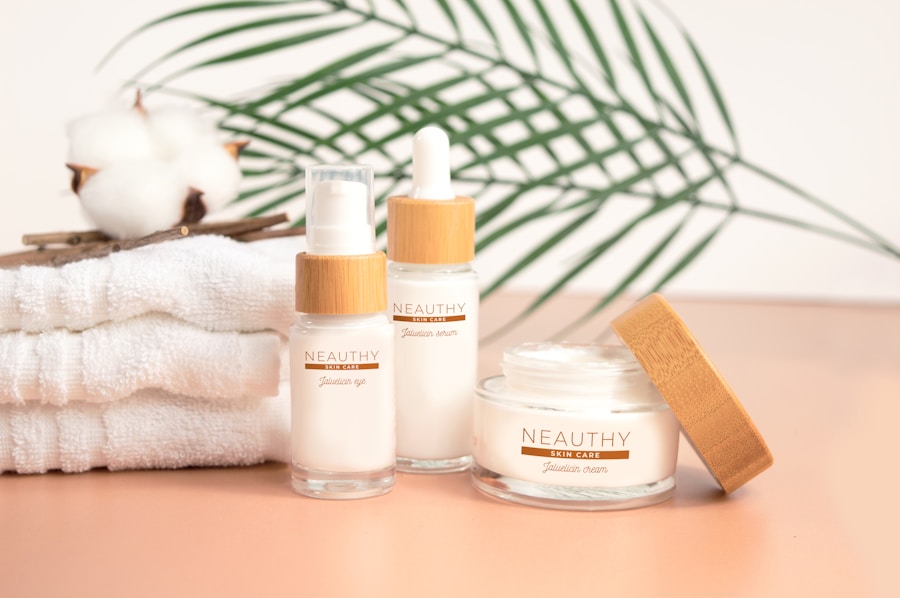
Korean serums are concentrated treatment products that sit at the heart of a targeted skincare routine. They contain higher percentages of active ingredients than toners or moisturisers, and each is formulated around a specific skin concern or function.
Understanding what different serum types do — and how they relate to essences and ampoules — makes it easier to choose the right one for your skin and use it effectively.
General Information Only. This page provides educational skincare information and is not medical advice. If you have persistent acne, eczema, rosacea, allergies, skin irritation, pigmentation changes or any medical skin condition, please consult a qualified dermatologist or healthcare professional before changing your skincare routine. Individual results vary. Always patch test new products.
Serum vs Essence vs Ampoule
These three product types are often confused. Here is how they differ in the Korean skincare system:
| Product | Texture | Primary Focus | Routine Position | Concentration | Suitable For |
|---|---|---|---|---|---|
| Essence | Watery, lightweight | Hydration, skin health over time | After toner | Lower | All skin types |
| Serum | Light to medium | Targeted concern (brightness, firming, hydration) | After essence | Higher | Choose by concern |
| Ampoule | Varies, often richer | Intensive treatment | After serum or instead of | Very high | Specific concerns; not always daily |
The distinction matters most when layering: always apply in order of lightest to heaviest consistency. Most people need either a serum or an ampoule — not both — unless targeting two distinct concerns with compatible actives.
Types of Korean serums
Hydrating Serums
These serums focus on drawing and retaining moisture in the skin. Often the gentlest serum category and suitable for beginners. Hyaluronic acid serums are particularly popular in Korean skincare for their ability to hold water molecules in the skin without feeling heavy.
Hyaluronic acid, glycerin, beta-glucan, panthenol
Dehydrated, dry or any skin type needing extra moisture
Morning and evening
Brightening Serums
Brightening serums target melanin production and uneven pigmentation. Niacinamide is one of the most widely used and well-tolerated brightening ingredients in Korean skincare. Results on visible dark spots typically require 8 to 12 weeks of consistent use.
Niacinamide, vitamin C derivatives, arbutin, tranexamic acid, rice extract
Uneven tone, dullness, dark spots or post-acne marks
Morning (vitamin C); AM or PM (niacinamide, arbutin)
Barrier-Repair Serums
These serums support the skin's protective barrier — the lipid-rich outer layer that keeps moisture in and irritants out. A compromised barrier leads to sensitivity, redness, dehydration and increased reactivity. Ceramide and centella-based serums are gentle, foundational and widely used in Korean skincare.
Ceramides, centella asiatica, madecassoside, panthenol, beta-glucan
Sensitive, reactive, irritated or compromised skin
Morning and evening
Anti-Ageing Serums
Korean anti-ageing serums often feature peptides — short chains of amino acids that support skin structure — alongside traditional ingredients like ginseng. Retinoid-based serums (retinol, retinal) should be introduced very slowly due to their potential for initial irritation.
Peptides, retinoids, ginseng extract, adenosine, EGF, PDRN
Fine lines, loss of firmness, skin texture concerns
Evening (retinoids); AM or PM (peptides)
Calming Serums
Calming serums are designed to reduce visible redness and soothe irritated or reactive skin. Heartleaf extract has become particularly notable in Korean skincare for its soothing properties. These serums are often lightweight and suitable for daily use even on sensitive skin.
Centella asiatica, heartleaf (houttuynia cordata), aloe, green tea, oat extract
Redness-prone, sensitive, acne-prone or post-procedure skin
Morning and evening
How to layer serums correctly
If using more than one serum, apply in order of texture from thinnest to thickest. Wait 20 to 30 seconds between applications to allow each layer to begin absorbing before the next is applied.
Example layering order
- 1.Hydrating toner — lightest layer, always first
- 2.Essence — slightly more active than toner
- 3.Water-based serum (e.g. niacinamide or hyaluronic acid)
- 4.Slightly thicker serum (e.g. peptide or barrier serum)
- 5.Moisturiser — seals in all previous layers
Frequently Asked Questions
Related Guides
Receive calm, useful skincare education
No hype, no false promises. Just clear information about Korean skincare, ingredients and routines, delivered thoughtfully.
No spam. Unsubscribe at any time.