Korean Moisturisers
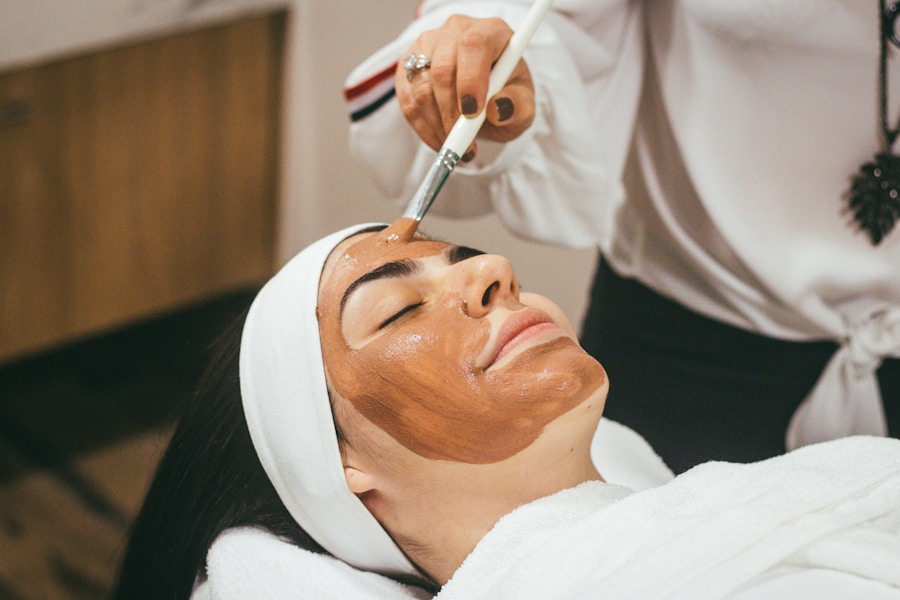
Moisturiser is the sealing step in a Korean skincare routine — it locks in the hydration layers applied before it and supports the skin barrier. Korean beauty offers a remarkably wide range of moisturiser textures, from ultra-lightweight water gels to rich sleeping masks, making it relatively easy to find the right weight for every skin type and season.
This guide covers the main types of Korean moisturisers, the key ingredient categories, how to choose by skin type, and common mistakes.
General Information Only. This page provides educational skincare information and is not medical advice. If you have persistent acne, eczema, rosacea, allergies, skin irritation, pigmentation changes or any medical skin condition, please consult a qualified dermatologist or healthcare professional before changing your skincare routine. Individual results vary. Always patch test new products.
The three types of moisturising ingredients
Humectants
Hyaluronic acid, glycerin, beta-glucan
Draw water from the environment or deeper skin layers to hydrate the surface.
Emollients
Squalane, ceramides, fatty acids
Smooth and soften skin by filling in the lipid gaps between skin cells.
Occlusives
Shea butter, beeswax
Create a physical film on the skin surface to prevent moisture evaporation.
Types of Korean moisturisers by texture
Water cream / water gel
Oily, combination, normal skin; hot weatherThe lightest moisturising format — almost watery on application, absorbs very quickly. Hydrates without heaviness or shine. Ideal for oily skin or humid weather when a heavier product would feel too much.
Gel-cream
Combination, normal, oily skinSlightly more moisturising than a water gel — has a bouncy gel texture with some emollient content. A versatile format that suits many skin types, particularly in temperate weather.
Emulsion / lotion
Normal, combination, some dry skinA lighter cream-milk texture that absorbs well without feeling heavy. Often used as a sole moisturiser for lighter skin types or in warmer seasons, or as a first cream layer before a richer product in very dry skin routines.
Cream
Dry, sensitive, mature skin; cold weatherThe classic cream texture — richer with a higher emollient and occlusive content. Provides stronger barrier sealing and is more comfortable for dry or mature skin, particularly in cooler weather.
Sleeping mask / overnight pack
All types (occasional intensive use)A thick, semi-occlusive formula used as the final step on certain evenings to seal all previous layers and prevent moisture loss overnight. Not a daily replacement for a regular moisturiser — used 2-3x per week or as needed.
Key ingredients to look for
Ceramides
Essential for dry, sensitive and mature skin — supports barrier integrity.
Hyaluronic acid
A humectant for all skin types — adds hydration at multiple molecular weight levels.
Niacinamide
Supports barrier health and may regulate sebum in oily skin moisturisers.
Centella asiatica
Calming and barrier-supportive — common in moisturisers for sensitive skin.
Peptides
Supporting skin structure — often found in anti-ageing or firming formulas.
Panthenol (B5)
A soothing humectant found in many gentle, barrier-repair moisturisers.
Common moisturiser mistakes
Using a cream that is too rich for oily skin — causes congestion and shine without addressing hydration needs effectively.
Skipping moisturiser to 'reduce oiliness' — this tends to make oil production worse.
Applying moisturiser to completely dry skin — slightly damp skin absorbs moisturiser more effectively.
Expecting moisturiser alone to solve dehydration — layering toner + essence underneath is what makes the biggest difference.
Using the same moisturiser year-round without adjusting for seasonal changes in humidity and temperature.