Ceramides
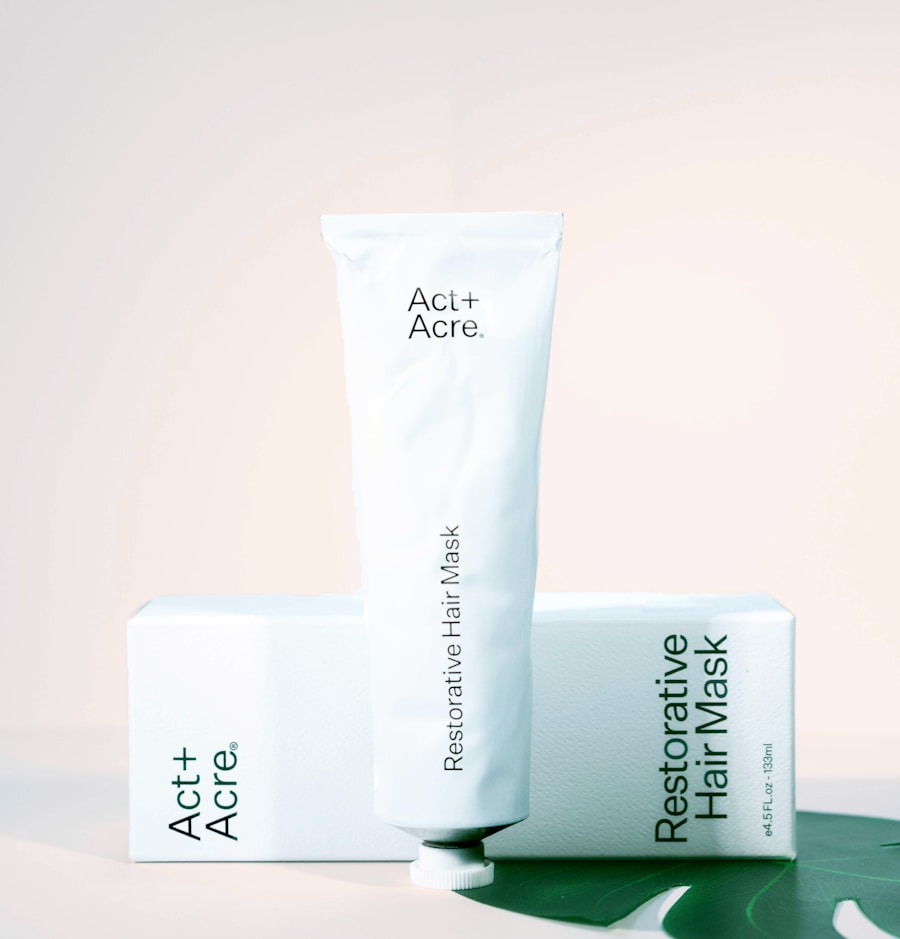
Ceramides are lipids — fats — that are naturally found in high concentrations in the outermost layer of the skin. They make up roughly half of the skin's lipid content and are fundamental to the barrier that keeps moisture in and irritants out. When ceramide levels are depleted, the skin becomes dry, sensitive and prone to irritation.
In Korean skincare, ceramide-containing products form a cornerstone of barrier-focused routines, particularly for dry, sensitive and mature skin types.
General Information Only. This page provides educational skincare information and is not medical advice. If you have persistent acne, eczema, rosacea, allergies, skin irritation, pigmentation changes or any medical skin condition, please consult a qualified dermatologist or healthcare professional before changing your skincare routine. Individual results vary. Always patch test new products.
What ceramides are and how they work
The skin barrier — more precisely the stratum corneum — functions like a brick wall: skin cells (corneocytes) are the bricks, and lipids including ceramides, fatty acids and cholesterol are the mortar. Ceramides form approximately 50% of this lipid mortar.
The types of ceramides most commonly used in skincare formulations include ceramide 1 (also called ceramide EOS), ceramide 3 (NP) and ceramide 6-II (AP). These correspond to naturally occurring ceramides in the human stratum corneum. When applied topically, they integrate with the skin's lipid structure to help restore barrier integrity and reduce transepidermal water loss (TEWL).
Ceramide levels naturally decline with age and can be rapidly depleted by harsh cleansers, hot water, over-exfoliation, cold weather and chronic skin conditions such as eczema. Replenishing ceramides through skincare is a well-established strategy for improving barrier function.
Why ceramides matter for skin health
Moisture retention
By maintaining the integrity of the barrier, ceramides reduce transepidermal water loss — keeping skin hydrated for longer without constant reapplication of moisturiser.
Protection from irritants
A healthy barrier prevents external irritants, allergens and pollutants from penetrating the skin. Ceramide-replete skin is less reactive to environmental stressors.
Sensitivity reduction
Many skin sensitivity issues stem from a compromised barrier allowing irritants to reach deeper layers. Rebuilding with ceramides reduces the likelihood of stinging, redness and reactivity.
Healthy ageing
As ceramide production slows with age, the skin becomes thinner and more fragile. Regular use of ceramide-containing products supports skin health and resilience in mature skin.
Who benefits most from ceramides
Dry skin
The primary category for ceramide use — dry skin is often characterised by a weakened barrier and low lipid levels. Ceramide creams and moisturisers are central to dry skin routines.
Sensitive and reactive skin
A barrier compromised by over-exfoliation, harsh products or environmental damage responds well to ceramide-focused recovery. The triple lipid combination (ceramides, fatty acids, cholesterol) is particularly effective.
Eczema-prone skin
Atopic dermatitis is associated with naturally lower ceramide levels in the skin. While ceramide skincare does not treat eczema medically, supporting the barrier may help manage mild symptoms — always alongside dermatologist advice.
Mature skin
Ceramide production slows significantly with age, contributing to the thinning, dryness and fragility associated with mature skin. Regular use provides meaningful support.
Anyone using actives
Retinoids, AHAs and BHAs can all temporarily compromise the barrier. A ceramide moisturiser used alongside these actives helps offset the disruption.
The triple lipid combination
Ceramides work most effectively in combination with the other two major lipid families in the skin barrier: fatty acids and cholesterol. Together, these three create a comprehensive barrier-replenishing complex. Many high-performing Korean skincare products include all three, often alongside hyaluronic acid for hydration and centella asiatica for calming.
Safety and tolerability
Ceramides are among the most universally well-tolerated skincare ingredients. As naturally occurring components of the skin, they rarely cause irritation or adverse reactions. They are suitable for use during pregnancy (though always check with your doctor), for sensitive skin, and for children when using appropriate formulations. There are no known interactions with other skincare ingredients that require special precautions.
Frequently Asked Questions
Research references
- Elias PM. Stratum corneum defensive functions: an integrated view. J Invest Dermatol. 2005;125(2):183–200.
- Meckfessel MH, Brandt S. The structure, function, and importance of ceramides in skin and their use as therapeutic agents. J Am Acad Dermatol. 2014.