Rice Extract
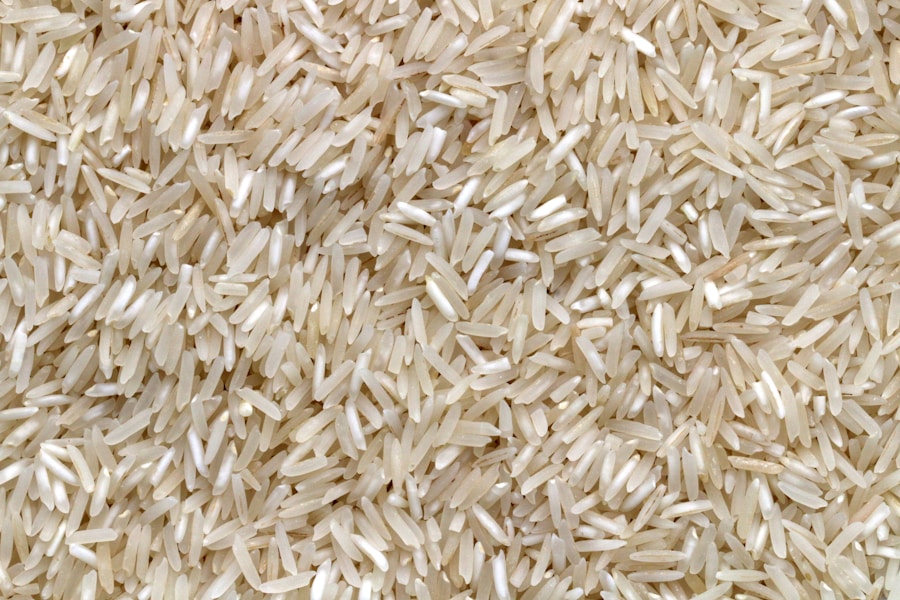
Rice has been used as a beauty ingredient across Korea, Japan and Southeast Asia for centuries. In modern K-beauty, it appears in several distinct forms — rice water, rice bran extract and rice ferment filtrate — each with a slightly different profile of benefits and applications.
This guide explains the differences between these forms, what each may offer for the skin, and how to incorporate them into a Korean skincare routine.
General Information Only. This page provides educational skincare information and is not medical advice. If you have persistent acne, eczema, rosacea, allergies, skin irritation, pigmentation changes or any medical skin condition, please consult a qualified dermatologist or healthcare professional before changing your skincare routine. Individual results vary. Always patch test new products.
The three main forms of rice in skincare
Rice water
The liquid produced by soaking or washing rice. A traditional beauty rinse used for generations, it is now incorporated into toners, essences and cleansers. It contains inositol (which may help retain moisture and bounce back damaged hair and skin cells), small amounts of naturally occurring vitamins and amino acids.
Rice bran extract
Extracted from the outer husk of the rice grain. Richer in ferulic acid and vitamin E than rice water, and sometimes used in products for its gentle brightening and antioxidant properties. Rice bran oil is also used as an emollient in moisturisers and serums.
Rice ferment filtrate
Produced by fermenting rice — often with yeasts such as Aspergillus or Saccharomyces species. Fermentation breaks down compounds into smaller, more readily absorbed forms and increases the concentration of beneficial metabolites. This is the form most associated with the premium fermented skincare movement in K-beauty.
Key components
Ferulic acid
A plant-based antioxidant found in rice bran; may support protection against environmental stressors and contribute to a more even skin tone.
Inositol
A naturally occurring sugar alcohol found in rice water; associated with moisture retention and skin smoothness.
Naturally occurring niacin precursors
Rice contains small amounts of niacin and related compounds, contributing mildly to brightening support alongside other active compounds.
Amino acids
Present in fermented rice forms; may support skin hydration and barrier integrity.
What rice extract may support
Brightening and evening skin tone
Regular use may help reduce the appearance of dullness and mild uneven tone. This is a gradual process — expect several weeks of consistent use before visible changes.
Smoothing skin texture
Rice bran in particular is associated with gentle exfoliating and smoothing effects on skin texture over time.
Gentle antioxidant protection
Ferulic acid and vitamin E in rice bran support protection against everyday environmental stressors.
Hydration support
Rice water and fermented rice forms contribute to hydration through inositol and amino acid content.
Best suited for
Rice extract is one of the most universally gentle ingredients in Korean skincare. It is particularly suitable for dull or tired-looking skin, uneven tone, and those who prefer gentle brightening approaches rather than strong acids or active ingredients. Sensitive skin types typically tolerate it well. It works well as part of a brightening-focused toner or essence layer in the morning routine.
Works well with
Where you find it in Korean skincare
Rice water and rice ferment filtrate appear most commonly in toners and essences, where their lightweight texture suits the early hydration layers of a Korean skincare routine. Rice bran extract appears in serums and some moisturisers. Fermented rice forms are a signature feature of premium Korean beauty lines that specialise in fermented formulations.
Look for labels including: Oryza sativa (rice) bran extract, rice ferment filtrate, saccharomyces rice ferment filtrate, or simply rice water in ingredient lists.