Green Tea
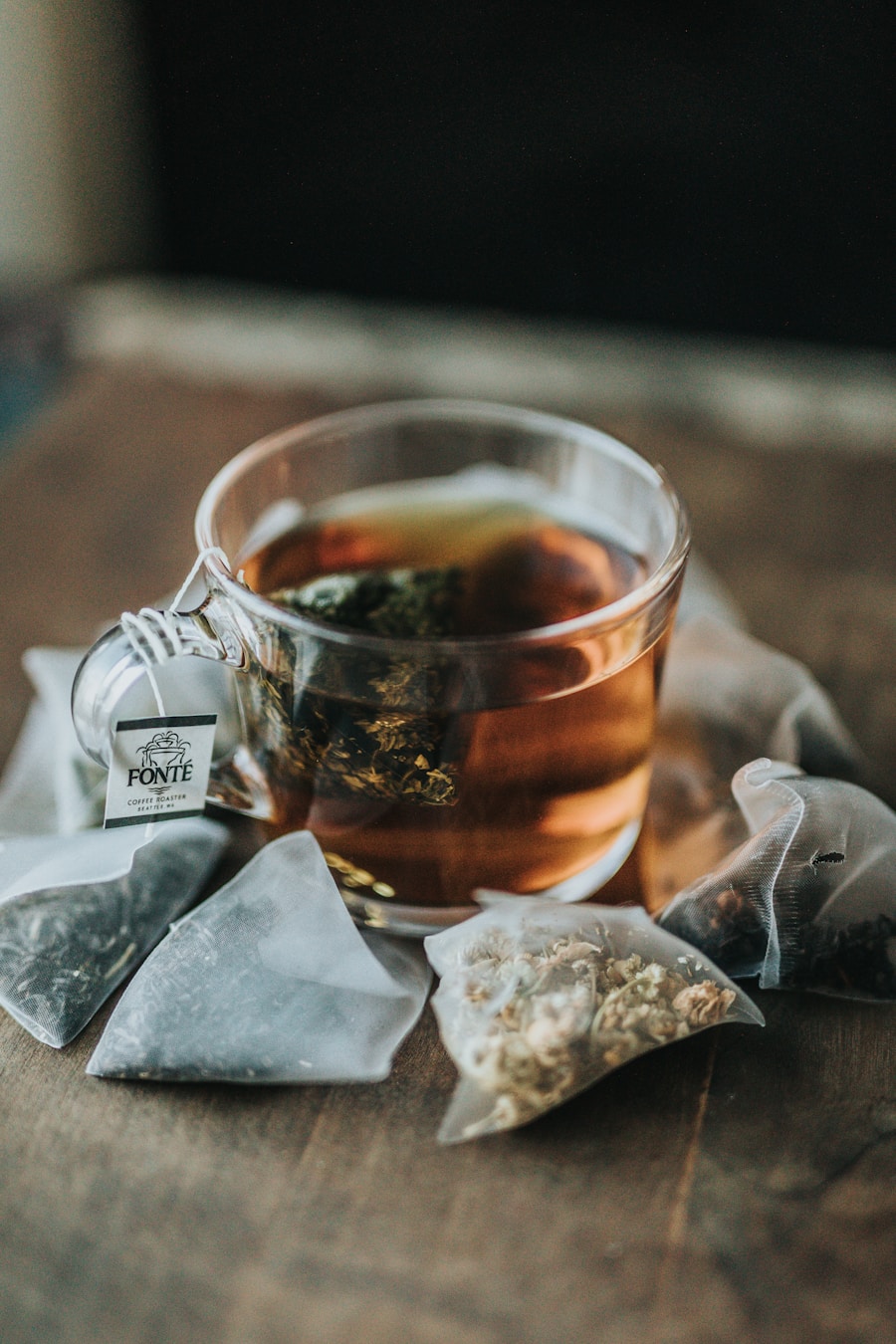
Green tea extract (from Camellia sinensis leaves) is one of the most widely used botanical ingredients in Korean skincare. Known for its antioxidant-rich catechins and calming properties, it appears in a wide range of product formats — particularly toners, essences, serums and sheet masks aimed at oily, sensitive and environmentally stressed skin.
Korea's Boseong region in South Jeolla Province is famous for producing high-quality green tea, and Korean green tea has a long culinary and medicinal tradition. This heritage naturally extended into skincare, where green tea is one of the most recognised calming and antioxidant botanicals.
General Information Only. This page provides educational skincare information and is not medical advice. If you have persistent acne, eczema, rosacea, allergies, skin irritation, pigmentation changes or any medical skin condition, please consult a qualified dermatologist or healthcare professional before changing your skincare routine. Individual results vary. Always patch test new products.
Active compounds
EGCG (Epigallocatechin gallate)
The most abundant and studied catechin in green tea. A potent antioxidant, EGCG is the primary reason green tea is used in skincare for its environmental protection properties.
Catechins
A family of polyphenolic antioxidants. EGCG is the dominant catechin, alongside ECG, EGC and EC. Together they give green tea its antioxidant character.
Tannins
Polyphenols with an astringent quality. May contribute to the pore-tightening and mildly sebum-managing properties associated with green tea-based products.
Theanine
An amino acid found primarily in tea. Has calming properties and is used in some Korean formulations for its skin-soothing contribution.
Skincare benefits
Antioxidant protection
Green tea catechins may help neutralise free radicals that cause oxidative stress to skin cells. This is particularly relevant for urban or pollution-exposed skin and for use alongside daily SPF.
Calming and soothing
Green tea is widely used in formulations targeting redness and reactive skin for its calming properties. It is often found alongside centella asiatica in sensitive and redness-focused Korean products.
Potential sebum management
Some studies suggest green tea extract may have a mild influence on sebum production, which is why it commonly appears in oily and combination skin formulations.
Gentle astringency
The tannin content in green tea contributes a mild astringent quality that may help with the appearance of pores and skin texture when used regularly.
Best suited for
Green tea is most beneficial for oily, combination, sensitive, redness-prone and environmentally stressed skin. It is also a useful antioxidant addition for anyone in a polluted urban environment or with high sun exposure. It pairs well with ceramides, niacinamide, centella asiatica and hyaluronic acid — all common companions in Korean skincare routines.
Those with known allergies to tea or the Theaceae plant family should patch test. Green tea extract is generally very well tolerated, even in sensitive skin formulations.